Authenticated Web Scan
This guide provides a step-by-step walkthrough on running an authenticated web scan using Ostorlab.
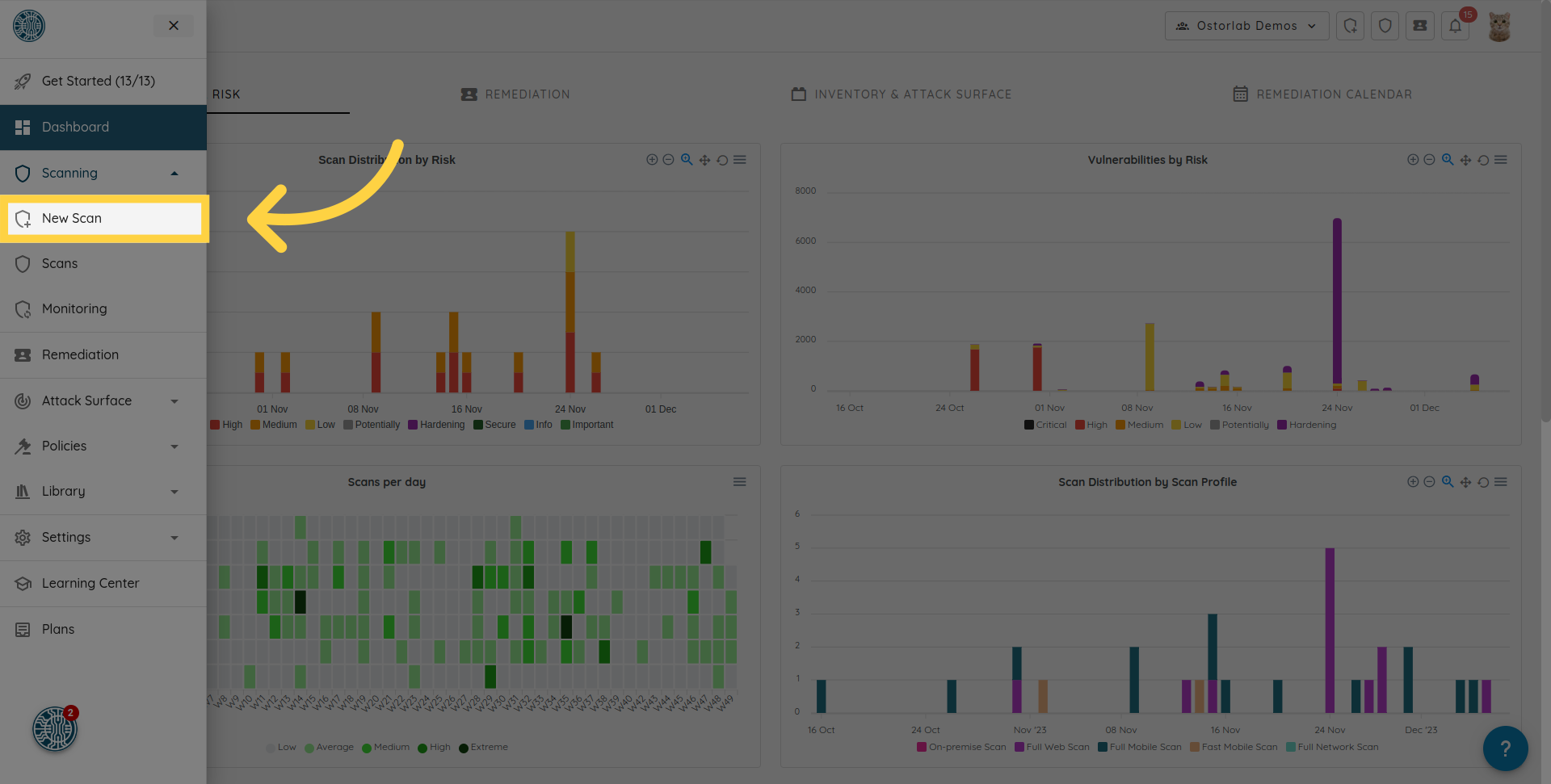
1. Click "New Scan"
Click the "New Scan" icon in the top bar.
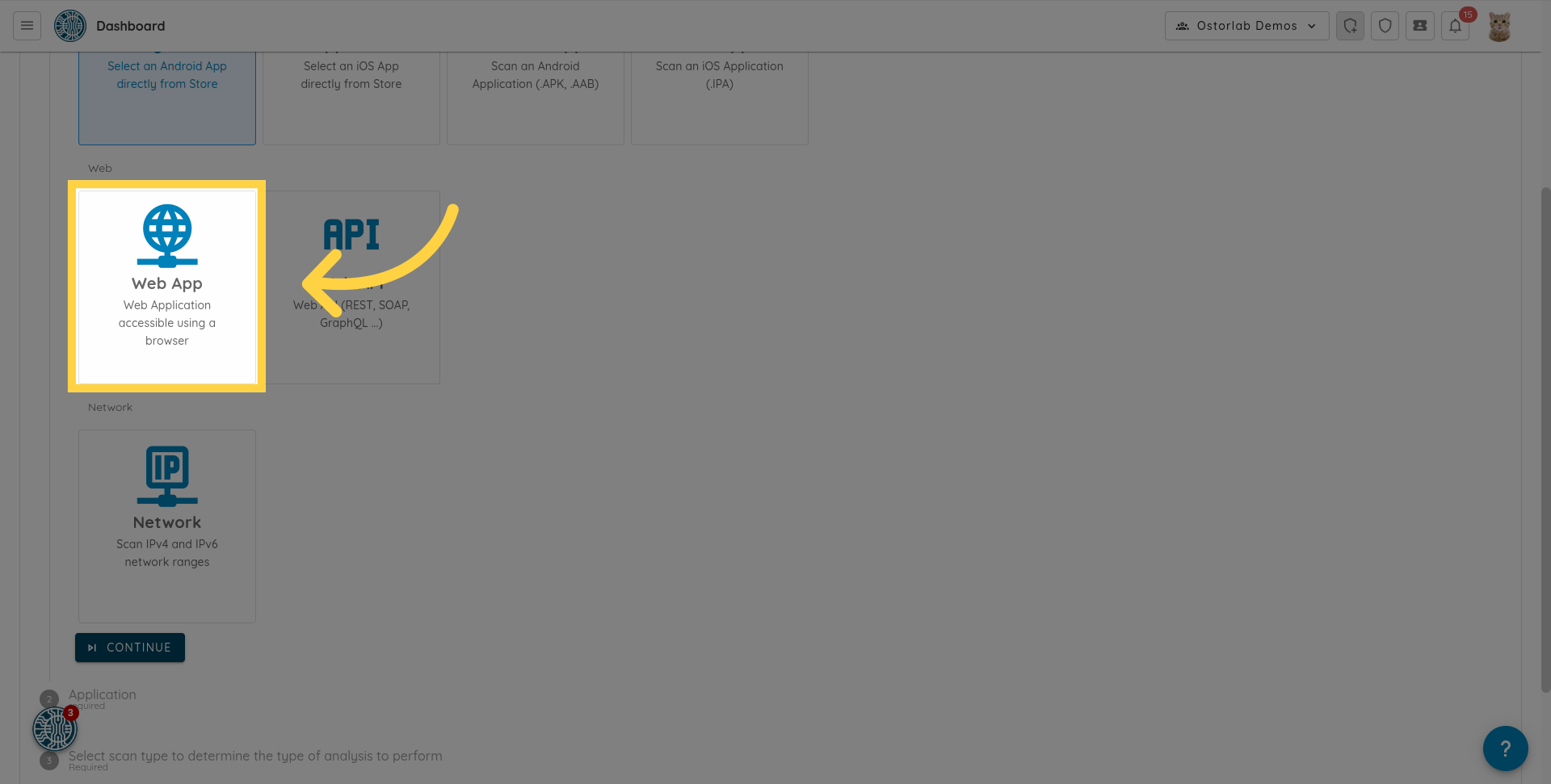
2. Click "Web App"
Choose the "Web App" option from the available asset types.
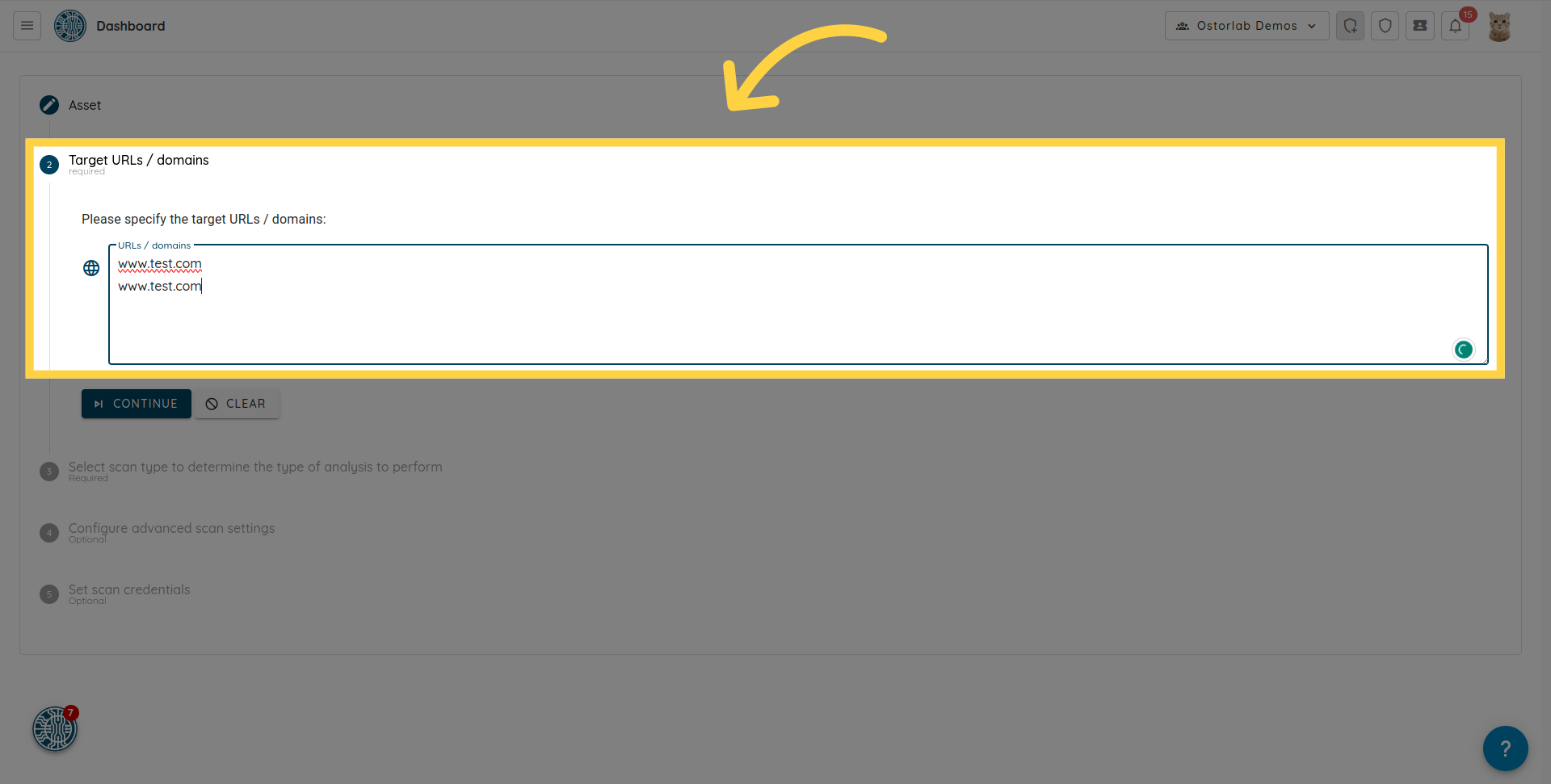
3. Specify the target URLs or domains
Enter the URLs or domains to scan, each on a separate line, then click "Continue". The "Extra Context" step that follows is optional: click "Continue" again to skip it.
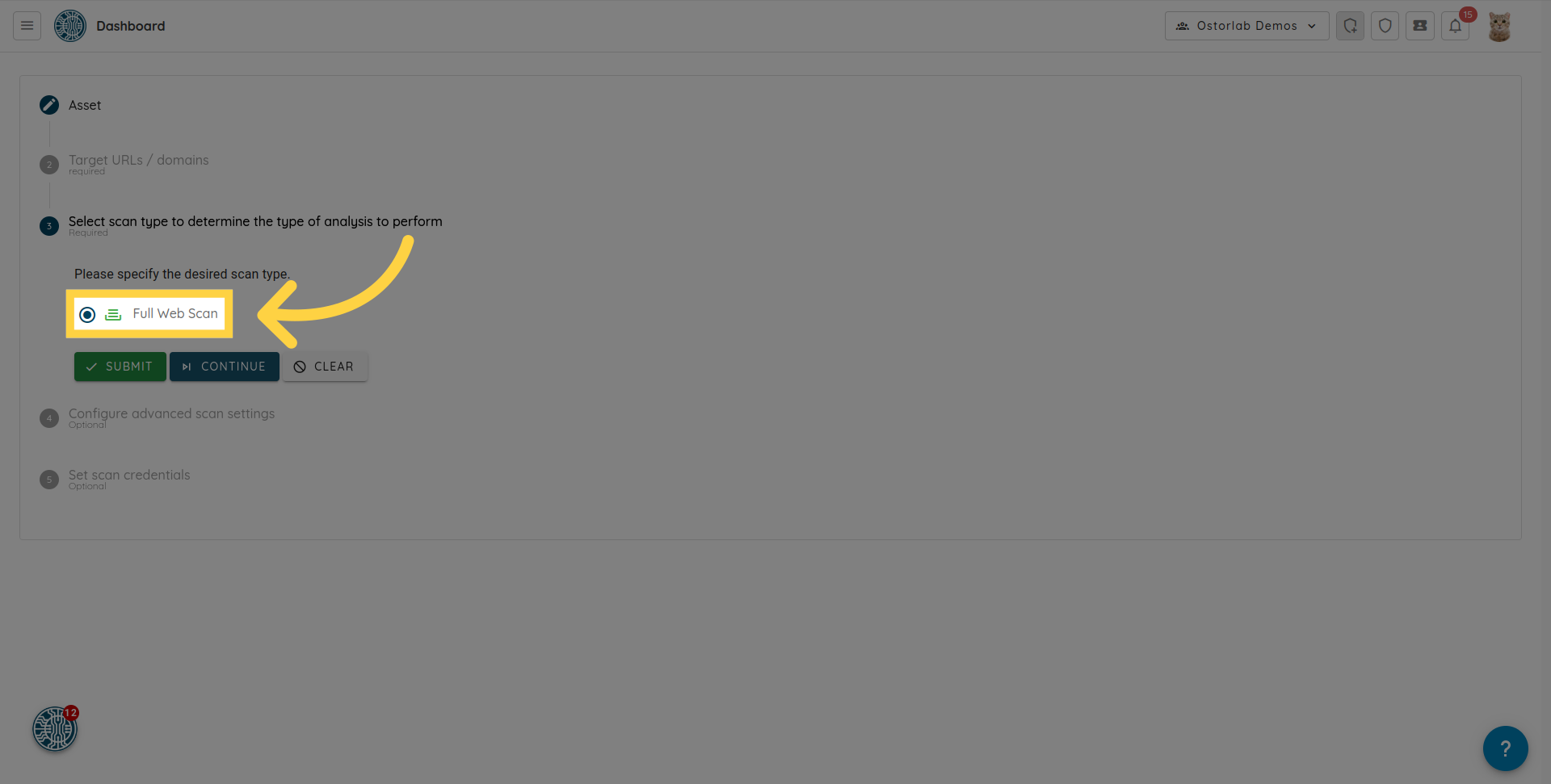
4. Select the "Full Web Scan" option
Select the "Full Web Scan" profile, then click "Continue". A profile with a lock and an "Unlock Profile" button is not included in your organization's plan; "Unlock Profile" opens the plans page.
5. Select or add test credentials
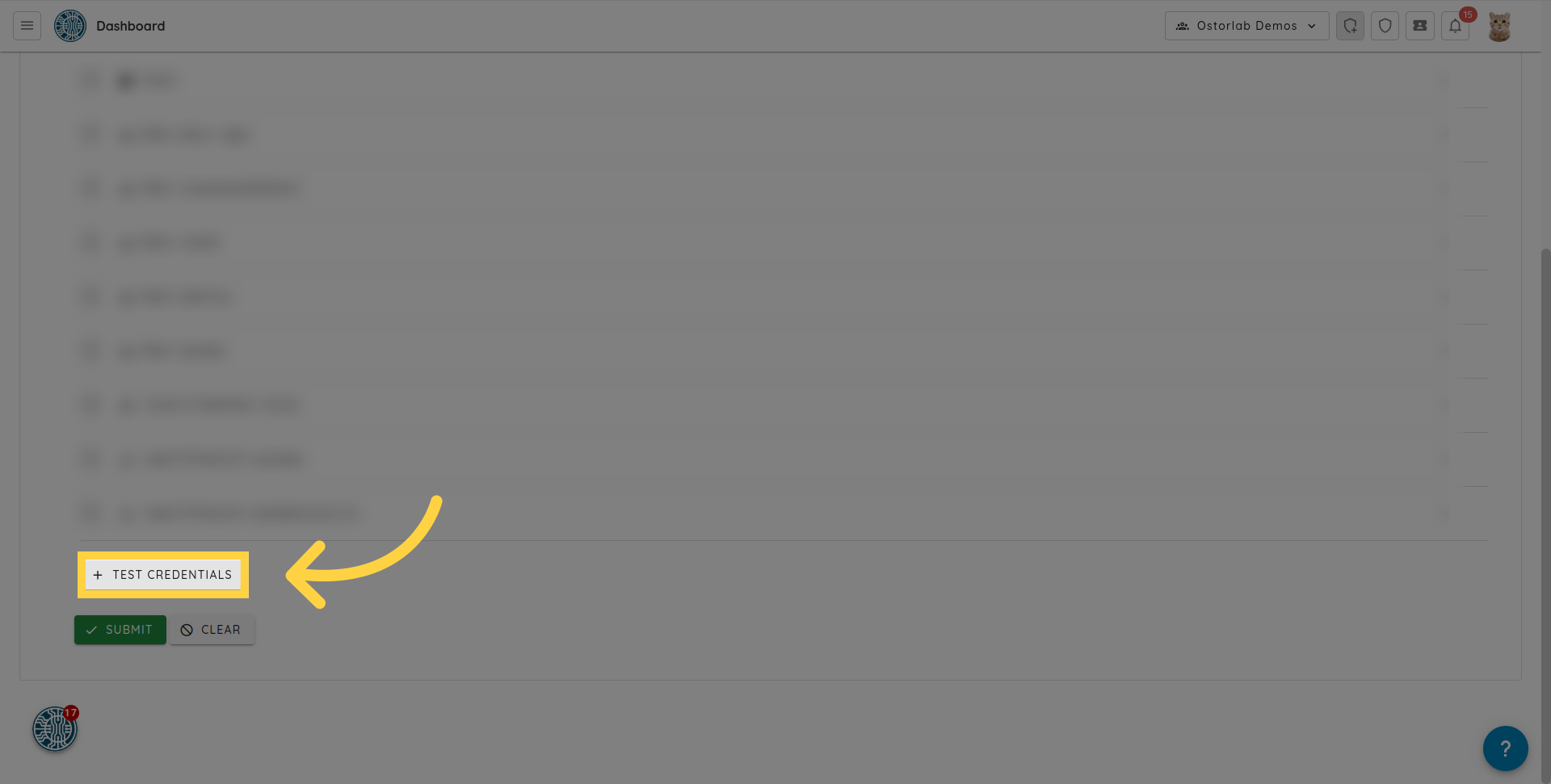
The "Test Credentials" step allows you to select one or more predefined test credentials or add new ones. Test credentials increase the coverage of the dynamic analysis. To add a new one, click "+ Test Credentials".
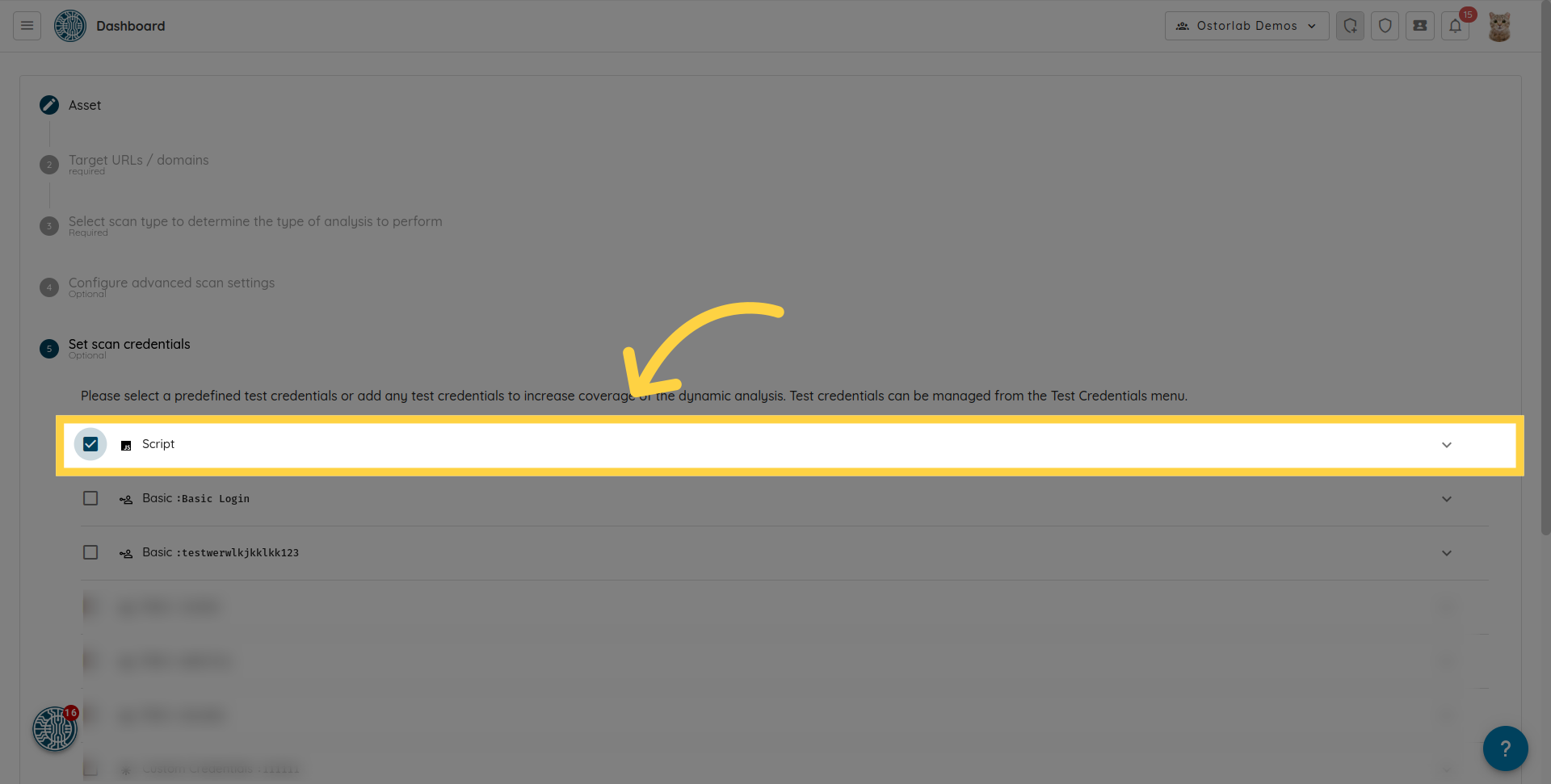
6. Add a test credential
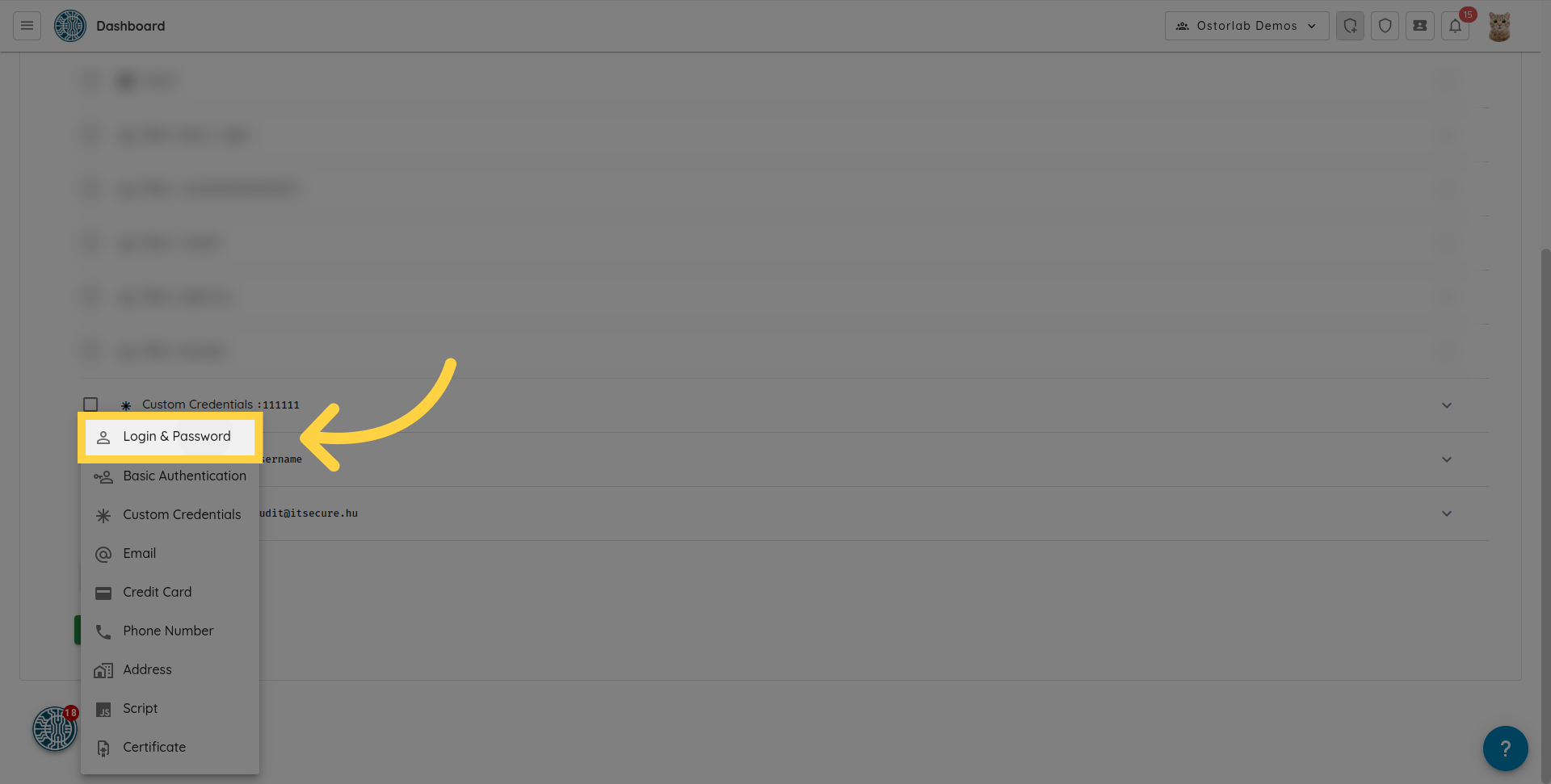
The supported types are:
- Login & Password: a username and password combination.
- Custom Credentials: custom key-value pairs, matched semantically during testing, for custom form fields like username, password and domain name.
- 2FA SMS, 2FA Email, 2FA TOTP and 2FA Manual: two-factor authentication. See 2FA for Authenticated Scans.
- Basic Authentication: the HTTP Basic Authentication scheme.
- Script: Allows you to upload a puppeteer script. This can be very useful to enable complex authentication flows or complex interactions like checkout.
- Certificate: a TLS client certificate.
- HTTP Headers: Allows you to provide headers such as Authorization, User-Agent, etc.
For example, to add a "Login & Password", select the "Login & Password" option from the test credentials menu.
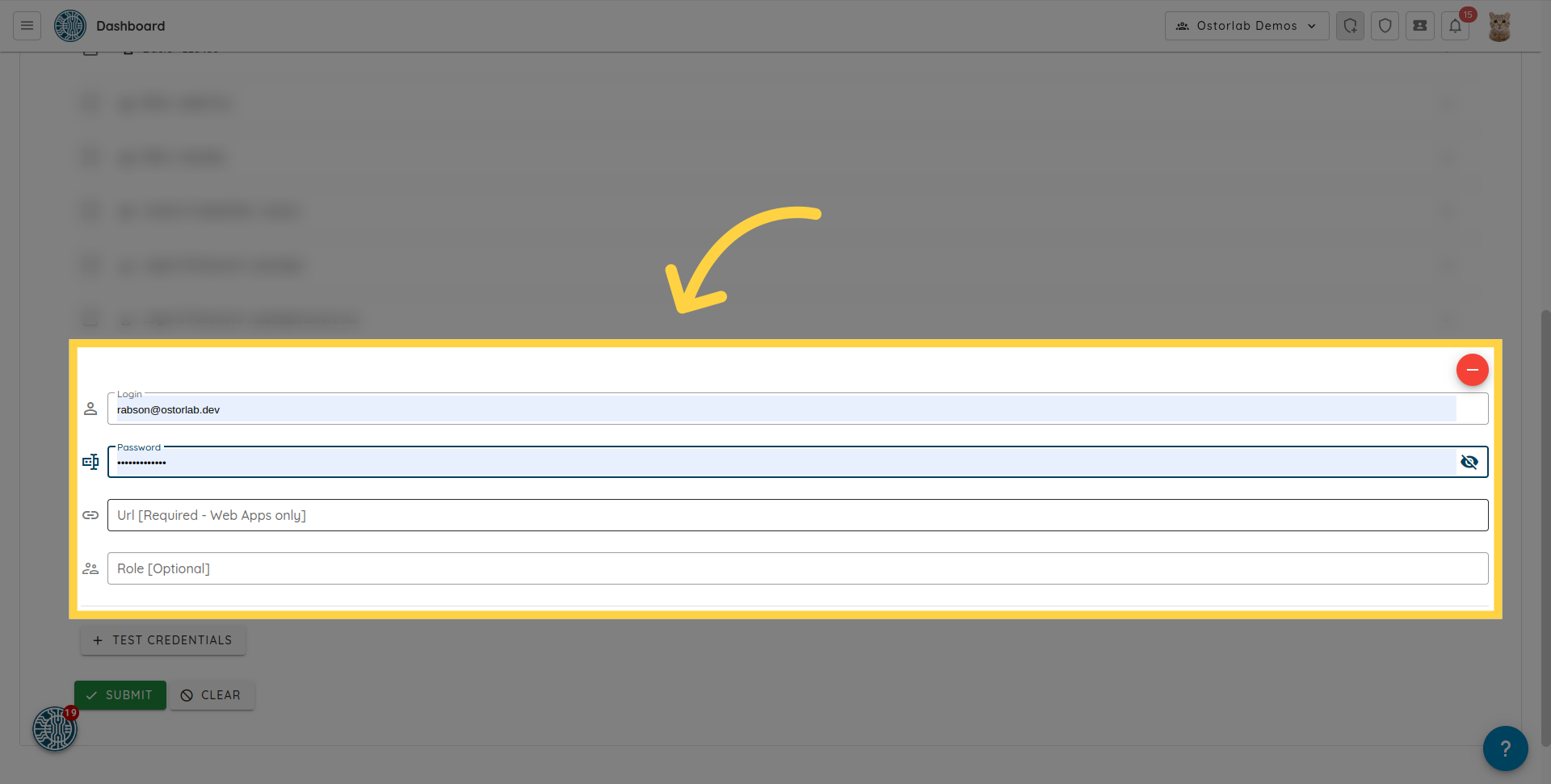
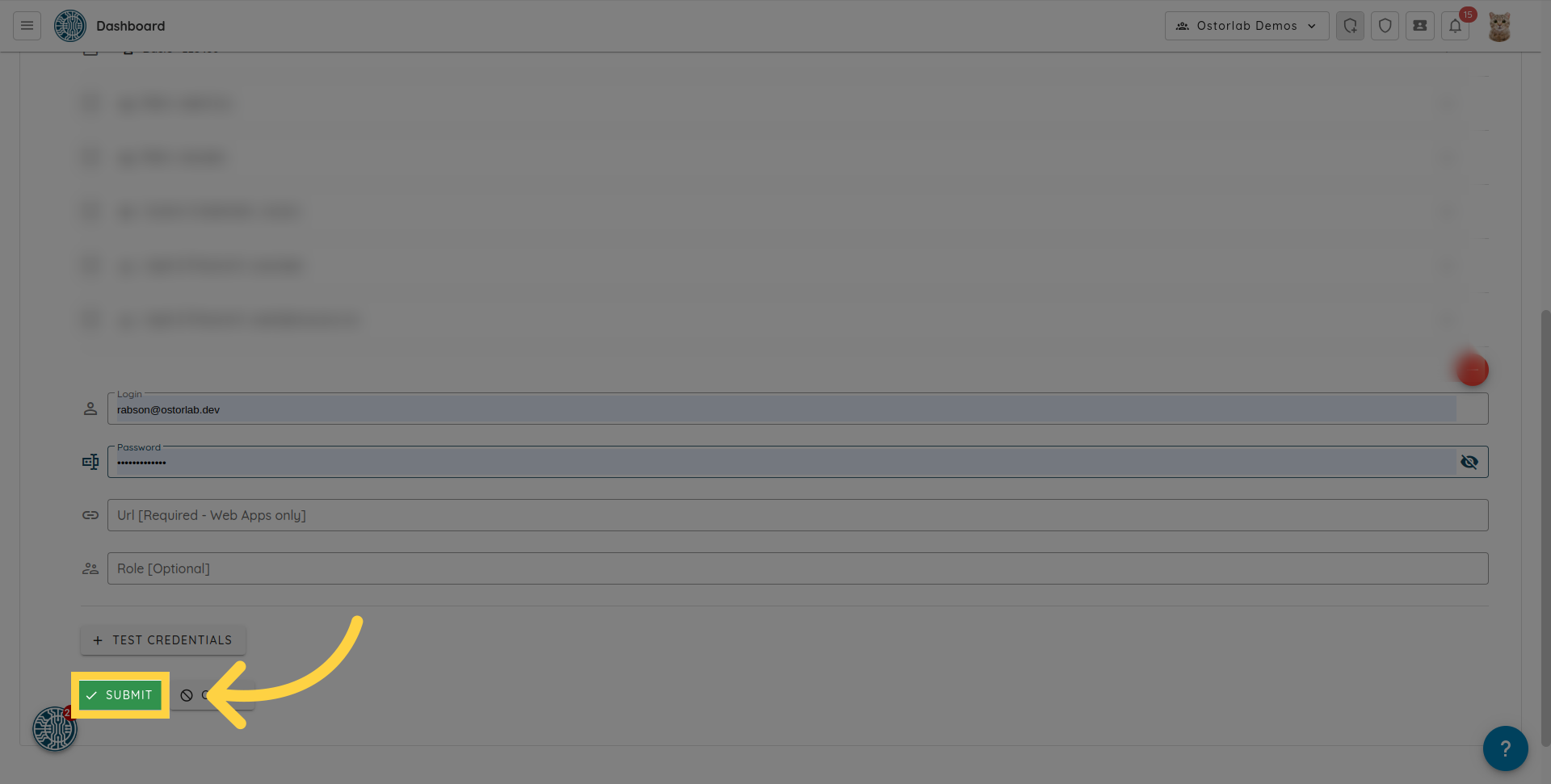
Enter the login, password, and URL
Enter the login, the password, and the URL of the login page. The label and the role are optional. The test credential is saved and added to the scan once you click Start scan.
7. Provide A Custom User Agent
The HTTP User-Agent request header lets servers identify the application, vendor, and/or version of the requesting user agent.
Ostorlab uses a user agent when scanning web applications. However, users might sometimes want to provide their User Agent of choice to be used during the scan. To do so, simply add an HTTP Header Test Credential.
- Optionally enter a label to easily identify this test credential, e.g. "Custom User Agent".
- In the name field, enter User-Agent.
- In the value field, enter your User Agent of choice, e.g.
Mozilla/5.0 (X11; Linux x86_64) AppleWebKit/537.36 (KHTML, like Gecko) Chrome/51.0.2704.103 Safari/537.36.
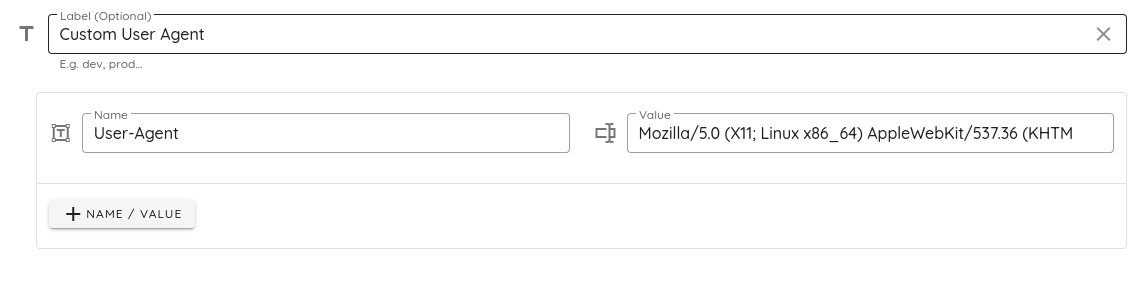
When running an authenticated web scan, you can select this test credential in the "Set scan credentials" step and the web application will be scanned using the custom user agent.
8. Optionally configure the other steps
The "SBOM Files", "Advanced Settings", "Custom Checks" and "Tags" steps are optional. Advanced settings include the QPS (maximum number of queries per second), a proxy, and a filter URL regex.
9. Click "Start scan"
Click the "Start scan" button to create the scan.
10. Open your scans
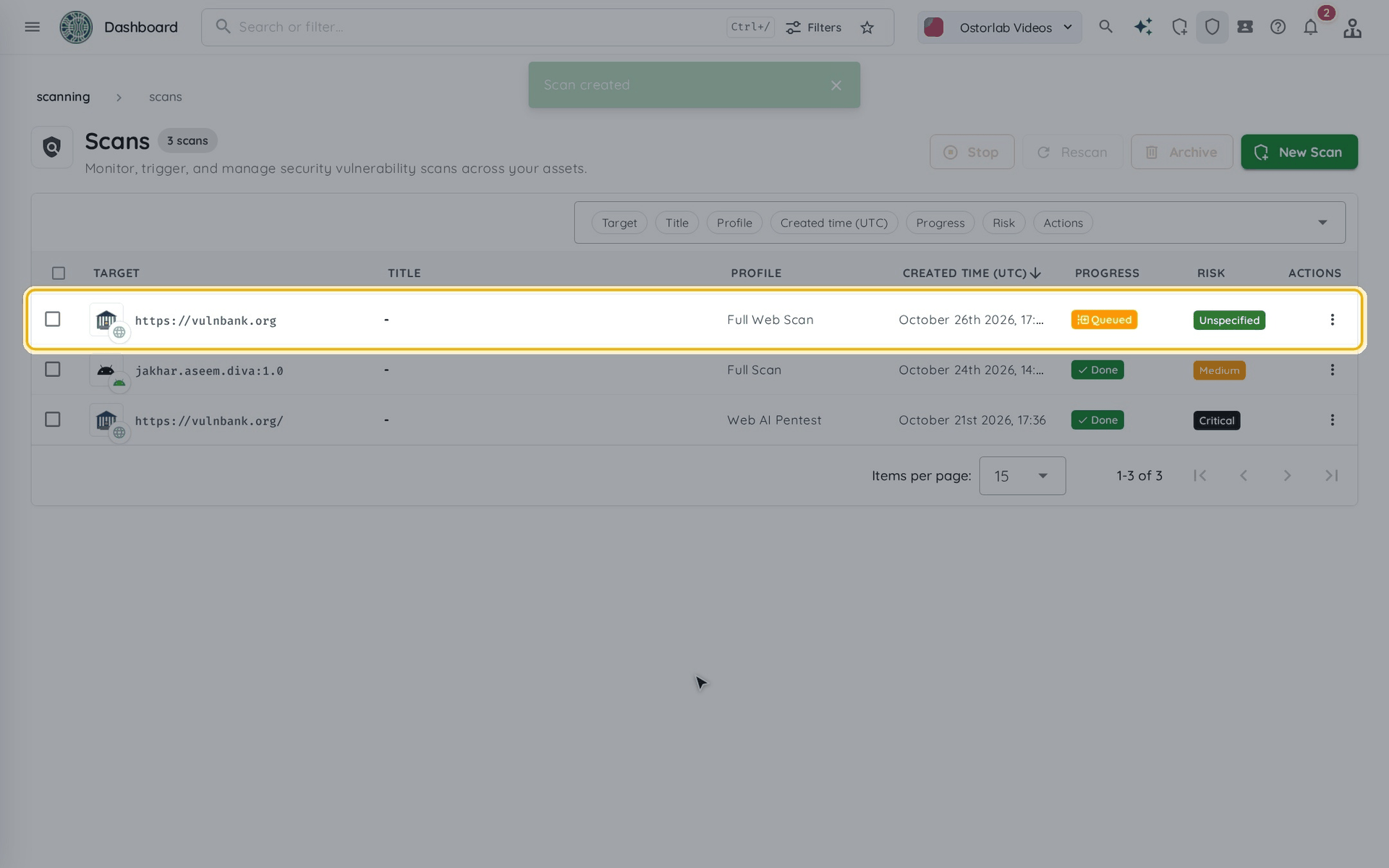
The scan's page opens with a "Scan created" message. To follow the scan, click the "Scans" icon in the top bar. The scan is listed in the scans table: it is queued first, then runs.
In this guide, you learned how to run an authenticated web scan using Ostorlab. The instructions covered configuring the scan settings, adding URLs and domains, and authenticating with login credentials. By following these steps, you can ensure a thorough and secure web scan for your applications.